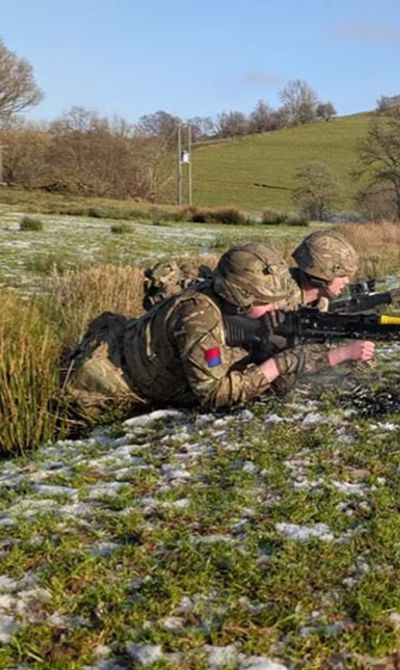
3 minute watch
5 minute read
To keep the Army well supplied, moving forward and one step ahead of the enemy, it takes technically minded people and equipment. Today's Army relies on much more than physical strength and rifles. From advanced communications systems to autonomous technology, soldiers are working with equipment that would have seemed like science fiction just a few years ago. As technology evolves, so do the opportunities for people who are interested in engineering, computing, problem-solving and innovation.
We are going to explore how the Army is clicking Ctrl + Alt + Advance on its technical capabilities and the expert soldiers that use them day-to-day. Here are some of the ways the battlefield is being rebooted:
3D printing parts of Army vehicles
Drone qualifications
Robot dogs
VR training
This might all sound a bit wild – even made up – but these are the kind of things the modern Army is offering to take the fight to the next level.
Let’s set the scene – you’re on exercise, in the middle of nowhere and your vehicle breaks down. To get moving again, you need to replace a damaged part. Shipping a part back to the factory or ordering a new component will take far too long, delaying the mission and even putting lives at risk.
Enter the REME. They are now able to 3D print metal parts in the field, meaning they could repair a land rover or even a tank whilst out on the ground. It also allows engineers to solve problems faster when every minute counts. Instead of waiting days or weeks for replacement parts to arrive, soldiers can create what they need much closer to where it is required. As 3D printing technology continues to develop, it could transform the way equipment is repaired and maintained across the Army. A capability to keep both vehicles and people moving forward.
We are seeing a step change in support capability which is agile and capable of keeping our vital armour in the fight
Major R Cummings, REME
With drones having more and more impact on the modern battlefield, the Army is looking to stay ahead of the game. Drones are used for a wide range of tasks, including surveillance, reconnaissance, delivering equipment and even casualty extraction. As the technology becomes more advanced, specialists are needed to understand how drones operate, how data is collected and how the systems can support operations safely and effectively.
There are already a few, short drone qualifications you can get, but this new course (started in September 2026) will give both civilian and military students an undergraduate degree in drone technology. The new degree programme highlights just how important technology skills have become. It also gives soldiers the chance to gain recognised qualifications that could benefit them throughout their careers, both in and out of uniform. That means that a group of soldiers each year will have their studies paid for by the Army, as well as receiving their usual salary. Not bad!
/)
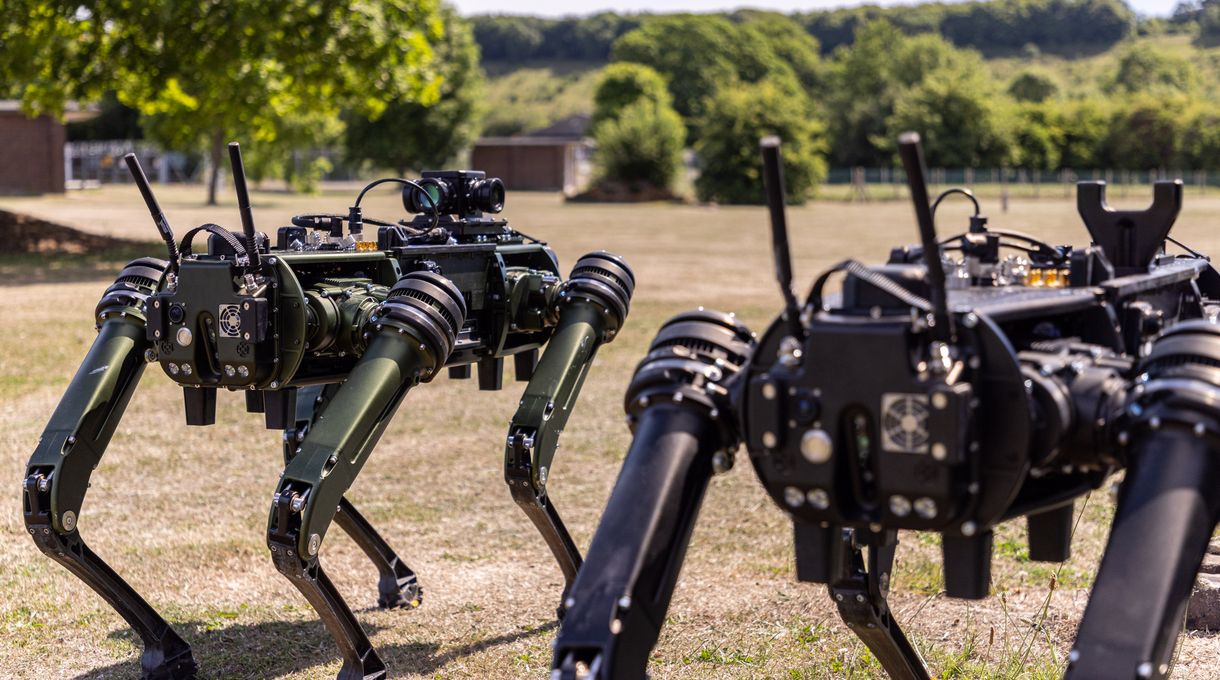
Dogs have been valued members of the Army for many years. They are used for different tasks, such as search, patrolling and protection. But now there is a slightly different breed of dog being used. Robot dogs are being trialled to detect and diffuse bombs. They can also be sent into potentially dangerous areas before people enter them. Equipped with cameras and sensors, they can gather information and help teams make informed decisions while staying at a safer distance.
This type of innovation will not only help improve operational effectiveness, but it will protect both soldiers and military working dogs. They may not be as cute or as cuddly as your family labrador, but they can save lives.
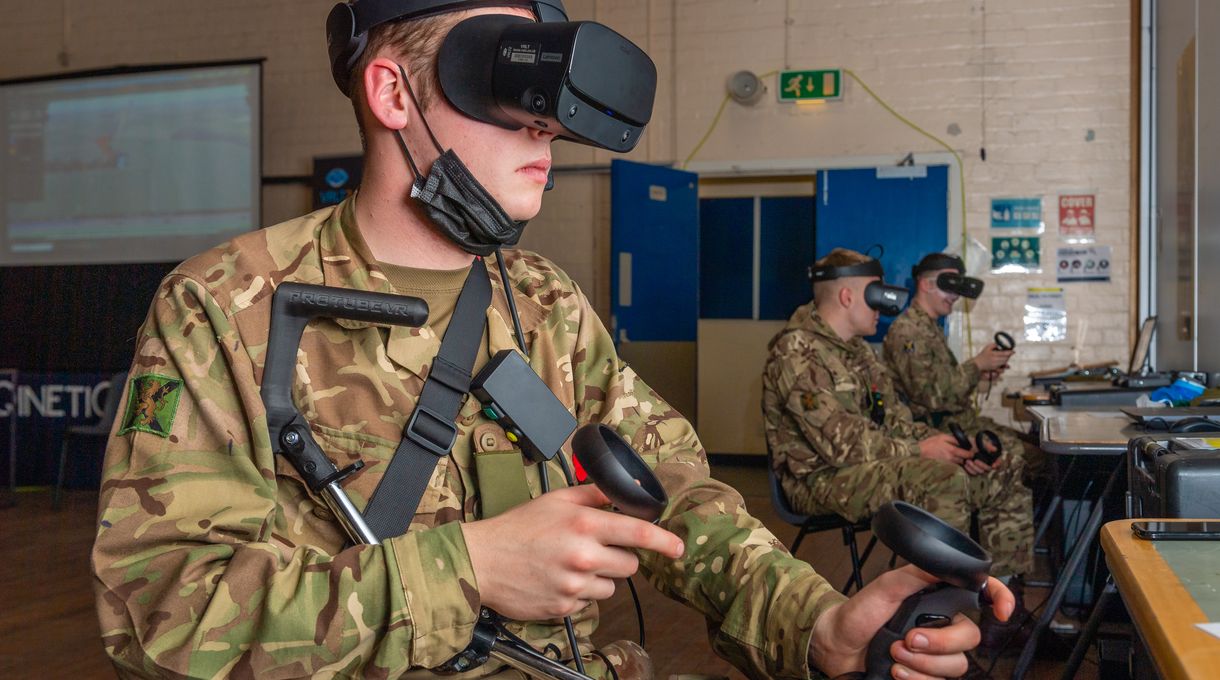
How does getting paid to play Xbox or PlayStation sound? Well, sort of. The Royal Signals have been using Virtual Reality to train and improve their soldiering skills. This allows instructors to create a variety of training scenarios for soldiers to boost their knowledge and ability in different environments, without having to leave camp. Another benefit is that training scenarios can be repeated as many times as needed. Soldiers can practise responding to different situations, learn from mistakes and build confidence before carrying out tasks in the real world.
It is a safe, flexible way to develop skills and prepare for future challenges. Not only is it cool, but VR training also reduces costs and the carbon footprint.
The modern Army is constantly looking for ways to make sure its people, training, and equipment are leading from the front. From 3D-printed vehicle parts and drone technology to robot dogs and virtual reality training, innovation is helping soldiers work smarter, train better and stay safer.
If you're a self-appointed tech geek, somewhat tech savvy or simply curious about where innovation could take you, take a look at our Role Finder page to learn more.
3 minute watch
4 minute read